Local anaesthetic, day case
Most blepharoplasty is carried out under local anaesthetic with sedation, so there is no overnight stay. You go home the same day and recover in your own surroundings.
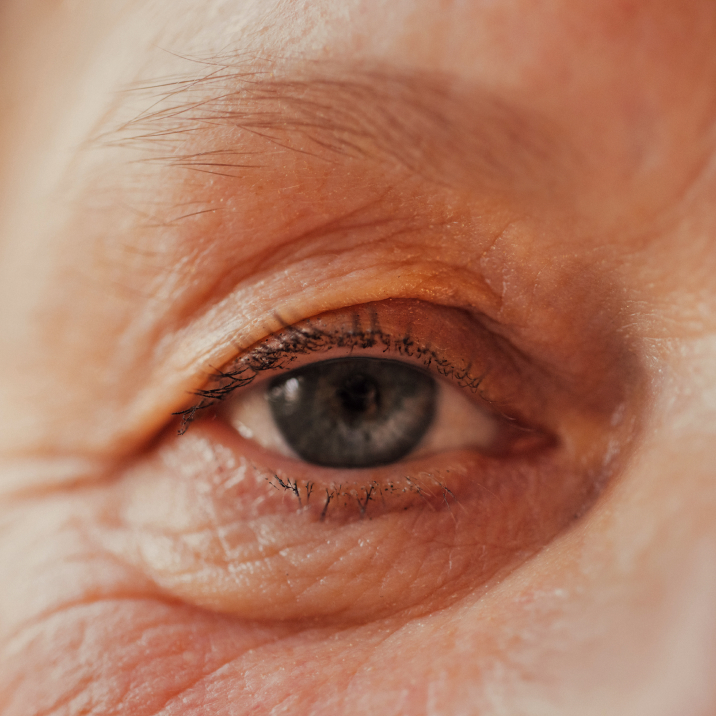
Heavy upper lids that make you look tired even when you are not. Eyes that seem to disappear in photographs. Lower lids that never quite lose their puffiness, however much sleep you get. In some patients, hooded skin sits low enough to affect side vision.
Dr Marta Vilaro is a consultant ophthalmologist and oculoplastic surgeon who plans and performs every blepharoplasty herself, from your first assessment to your final review. She sees patients in Central London (Welbeck) and in Essex (The Holly Private Hospital, Buckhurst Hill).
At a glance
The basics
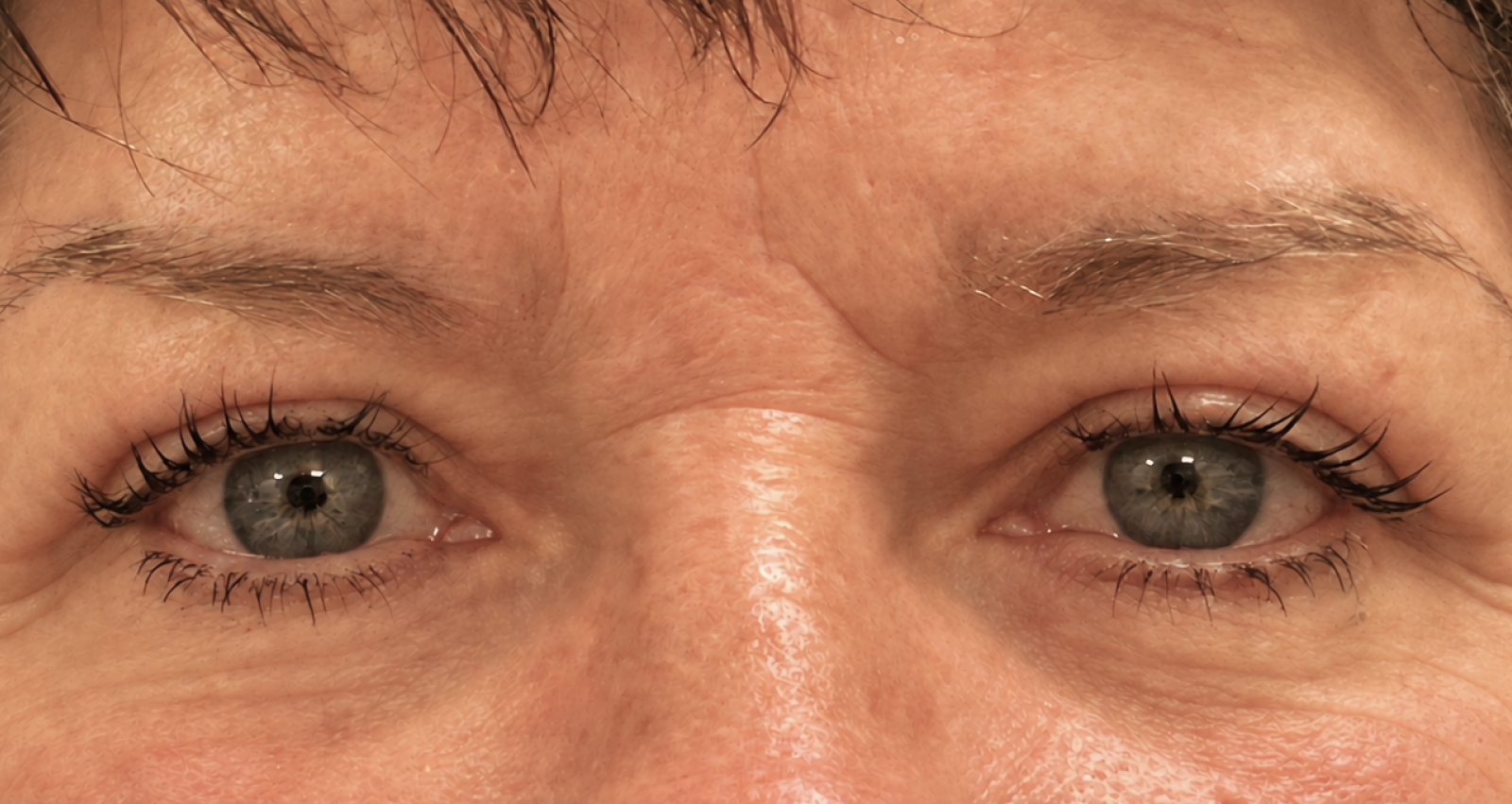
Blepharoplasty is surgery to remove or reposition excess skin, muscle and fat around the eyes. Upper blepharoplasty removes the loose skin folding down over the lash line. Lower blepharoplasty addresses puffiness and bags beneath the eye. Many patients combine both in a single procedure. Incisions sit within the natural creases of the eyelid, so scarring is designed to fade into these lines rather than sit on visible skin. We would rather tell you plainly that some fine scarring is normal at first than promise a scarless result.
Results are long lasting because the tissue removed does not return. The natural ageing process still continues around it, so no clinic can honestly promise a permanent effect. Most adults in general good health are candidates, including patients who have had unsuccessful surgery elsewhere and want a considered second opinion. Dr Vilaro will tell you plainly if blepharoplasty is not the right answer for your eyes, and will discuss an alternative where one exists.
Why patients choose Dr Vilaro
Most blepharoplasty is carried out under local anaesthetic with sedation, so there is no overnight stay. You go home the same day and recover in your own surroundings.
Bruising and swelling are most visible in the first week and settle noticeably by two weeks. Many patients are comfortable returning to work within 7 to 10 days, sooner for upper lid surgery alone.
Because the excess skin and fat removed do not return, the improvement is long lasting. Individual results vary, and the natural ageing process continues around the treated area.

Dr Vilaro is a consultant oculoplastic surgeon who also corrects eyelids from previous surgery that has not settled well, with clinics in Central London and Essex for consultations and follow-up.
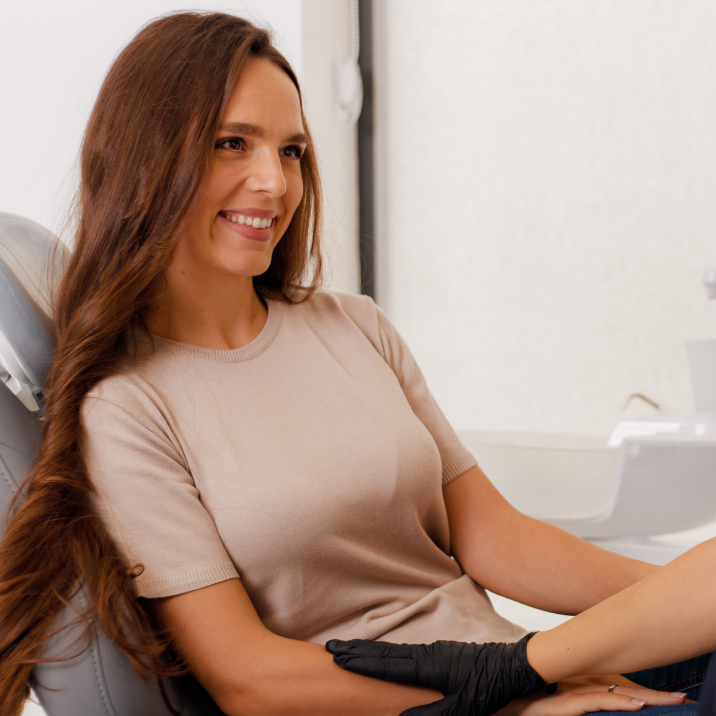
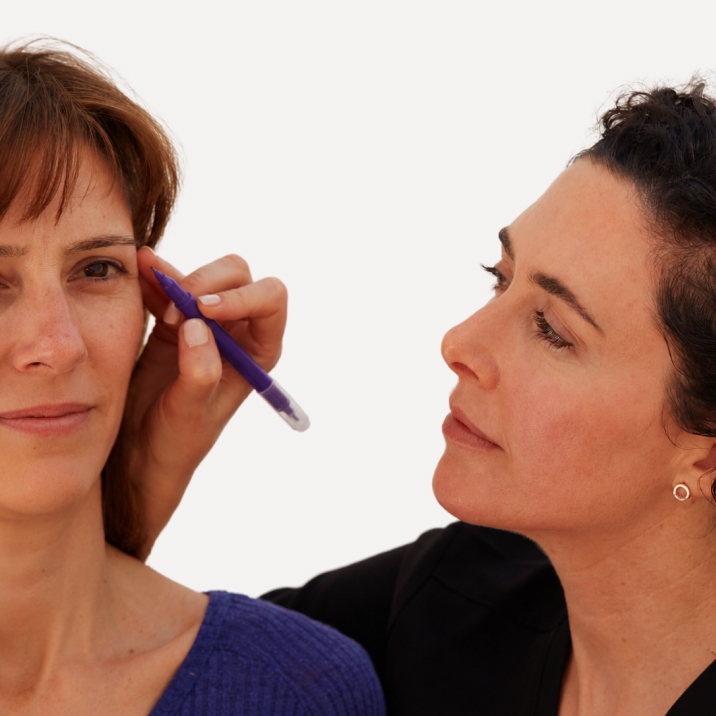
Your first appointment is a thorough examination of your eyelids, eyebrows and vision, so Dr Vilaro can see how they sit and work together. It gives her a clear understanding of your eyes as they are today and is the starting point for everything that follows. Photographs are also taken at this visit. They are used to plan the surgery precisely to your own eye shape, so that the plan is built around you rather than a standard approach, and each step is thought through carefully well before the day of your procedure, so you know what is planned.
Dr Vilaro will explain realistically what surgery can and cannot achieve, so you know what to expect in plain terms before going any further. She would rather you had a clear and honest picture now than be surprised later. You will then receive a fixed written quote setting out exactly what is included, so you have it in front of you before you decide anything, and can read it through in your own time. Please never stop any prescribed medicines before your procedure without checking with the doctor who prescribed them first.
Surgery typically takes around 45 minutes for one eyelid area, up to about 2 hours for a combined upper and lower procedure.
Swelling and bruising are most visible in the first 3 to 5 days, and stitches are usually removed after about 7 days. Your final result is expected by around 6 to 12 weeks.
Bleeding does not settle with gentle pressure
Your vision changes or becomes blurred beyond the first day

You develop increasing pain, redness or a temperature
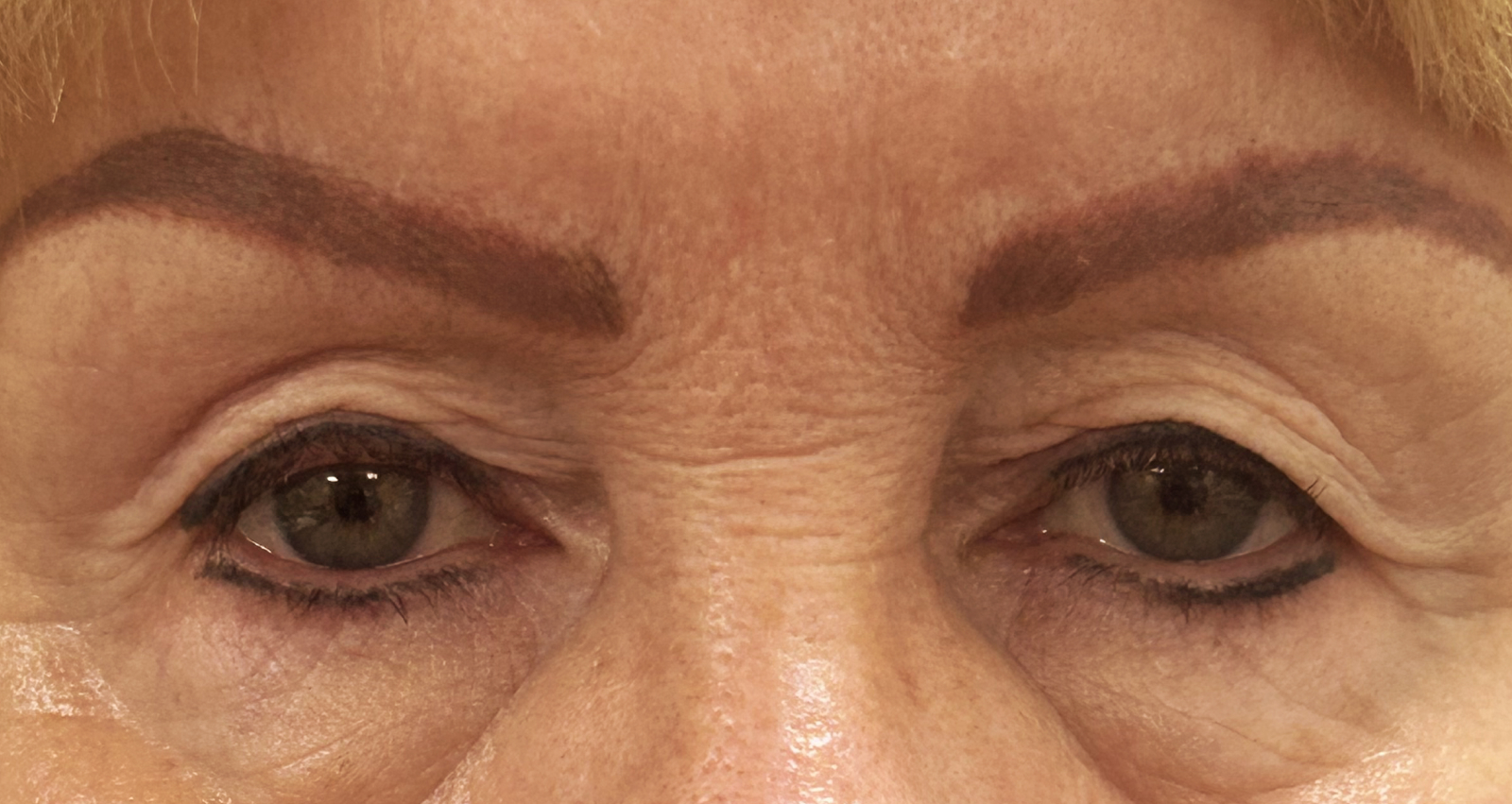
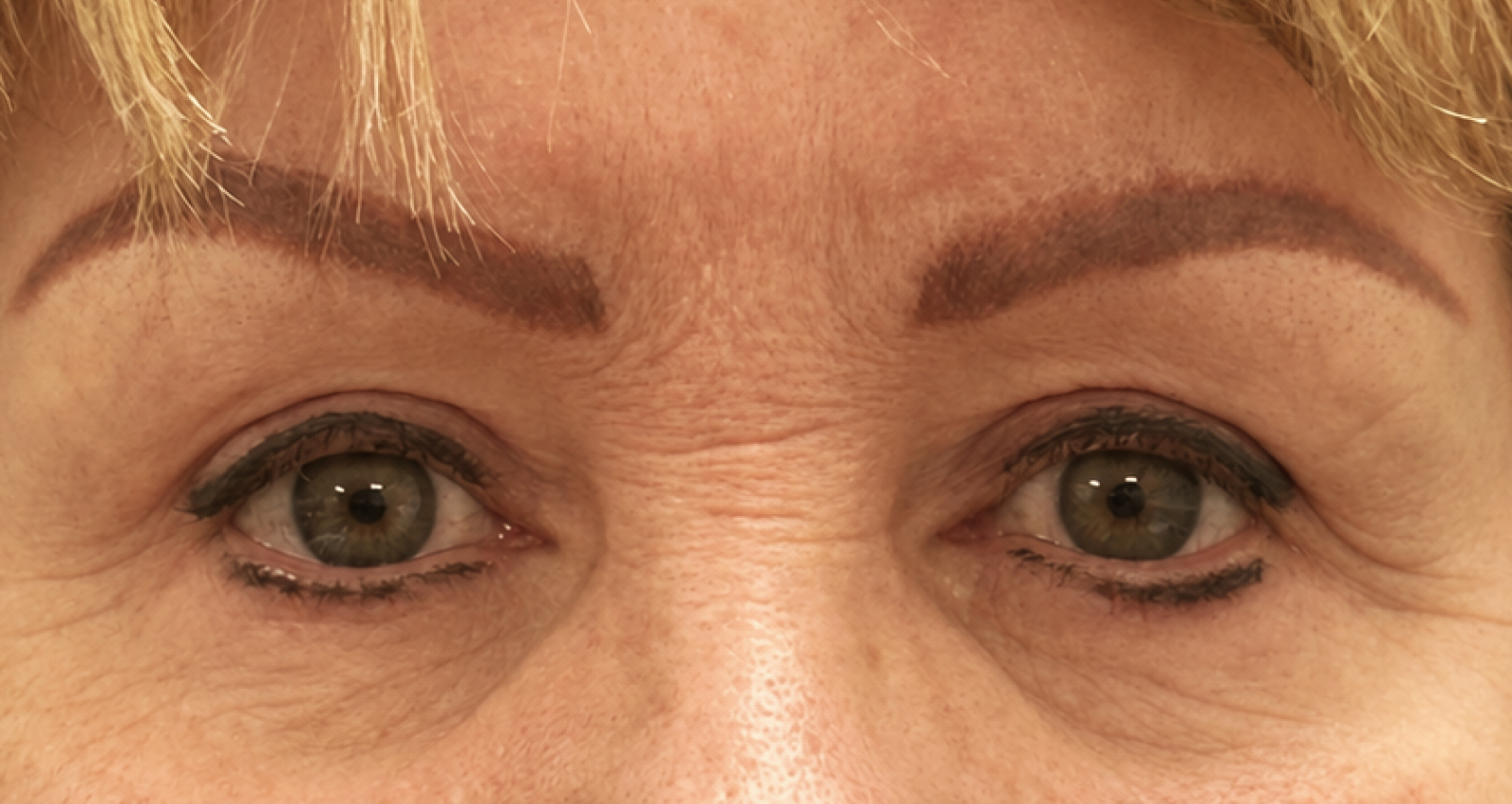
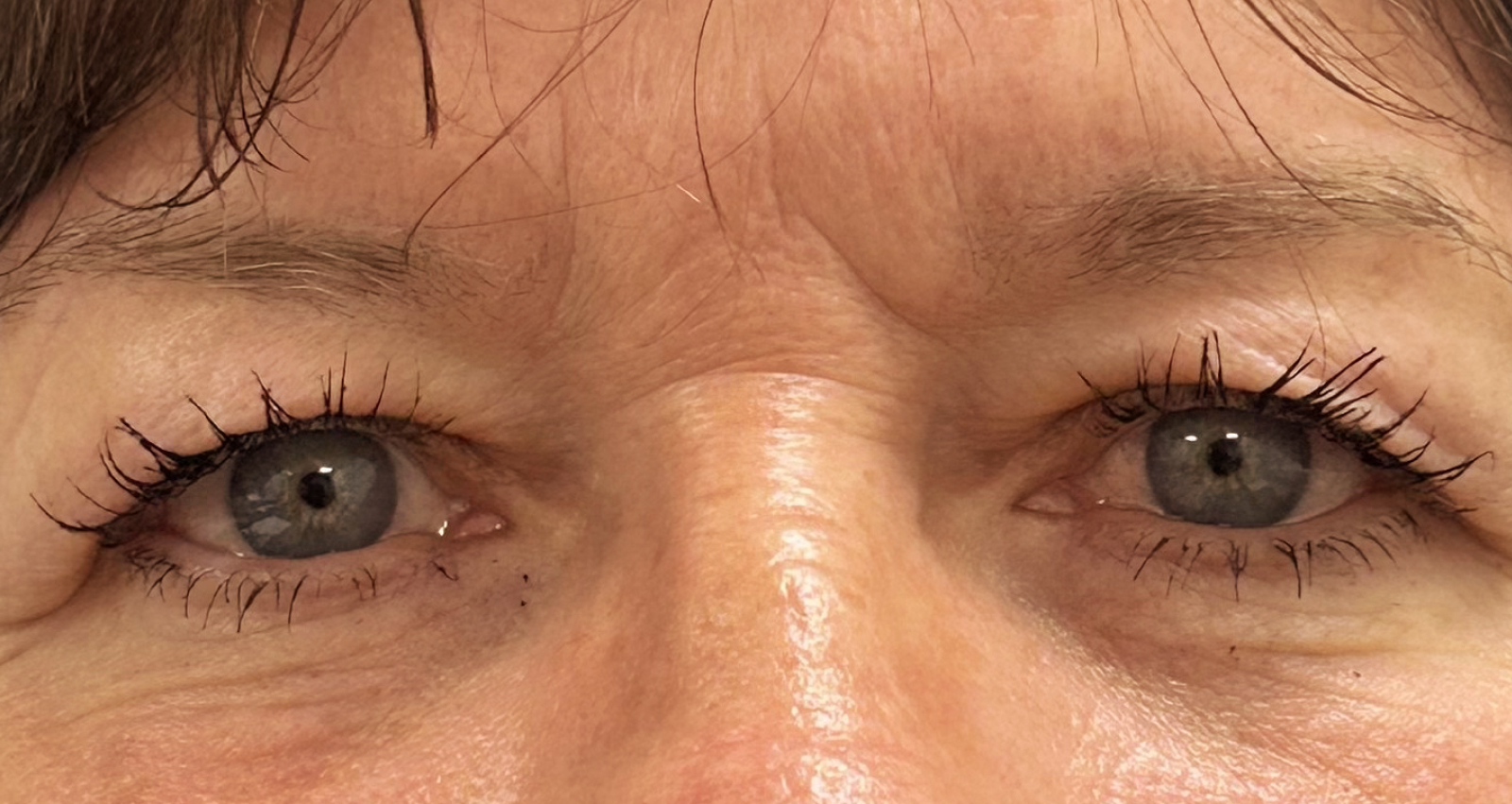
Real results
No. The procedure is carried out under local anaesthetic with sedation or general anaesthetic, so you should not feel pain during surgery. Mild discomfort, tightness or bruising in the days afterwards is normal and is managed with simple pain relief.
Surgery on one eyelid area typically takes around 45 minutes. A combined upper and lower procedure can take up to about 2 hours, depending on your case.
The skin and fat removed do not return, so results are long lasting. No clinic can honestly promise a permanent outcome, because the natural ageing process continues around the treated area.
Incisions are placed within the natural crease of the eyelid, so scarring is designed to be well hidden once healed. Some fine, pink scarring is normal in the first weeks and typically fades significantly over several months.
Dr Marta Vilaro, a consultant ophthalmologist and oculoplastic surgeon, plans and performs every blepharoplasty herself, from your first consultation through to your follow-up appointments.
Upper blepharoplasty removes excess skin that folds down over the lash line. Lower blepharoplasty addresses puffiness, bags or loose skin beneath the eye. Many patients choose to combine both in a single procedure.
In some patients, heavy upper eyelid skin affects side vision, which is one of the reasons for having surgery rather than a purely cosmetic one. Where eyelid function is affected, funding may be available through routes beyond self-pay; this is worth discussing at your consultation or with your GP.
Every quote follows a full assessment and is provided in writing, setting out exactly what is included, because the right procedure for one patient's eyelids can differ from another's.
Most adults in general good health with sagging or puffy eyelids are suitable candidates. Dr Vilaro will tell you plainly if blepharoplasty is not the right option for you, and will discuss alternatives where they exist.
Yes. Revision surgery on eyelids from a previous procedure elsewhere is a particular area of Dr Vilaro's practice, assessed with the same thorough examination as a first-time procedure.
Confirm the surgeon's specialist registration with the General Medical Council, ask to see healed results from patients with a similar eyelid shape to yours, and check what aftercare and follow-up is included. In England, private clinics are also regulated by the Care Quality Commission.
Most patients can wear light makeup to cover bruising after about 10 to 14 days, once stitches are removed and the incision has settled. Vigorous exercise is usually avoided for around 2 weeks to reduce swelling and the risk of bleeding.